A Look into the Past
A study on the territory of LAG Isperih
One of the activities of the project “Sboryanovo – discover, know, narrate” is entitled “A Look into the Past”. It concerns a very important aspect of the protection of the cultural and historical heritage in the country as a whole, and specifically the activity is directed towards the historical heritage in the region of the Sboryanovo Archaeological Reserve. The activity “A Look into the Past” aims to create an idea of the cultural identity of the local population, of its contribution to the discovery and study of the archaeological evidence, and of the way that evidence lives on in personal and local cultural memory. This aspect of the work on the project “Sboryanovo – discover, know, narrate” helps to achieve the first specific objective of the project, namely involving and enriching the local community with new knowledge of the cultural heritage, its protection and its promotion.
The specific aim of the activity “A Look into the Past” was to carry out a study among the residents of Isperih Municipality who had been direct witnesses of and participants in the archaeological research at the Sboryanovo Archaeological Reserve in the recent past. Modern research at the Sboryanovo Archaeological Reserve dates back more than 45 years. Many legends and traditions are associated with the Sboryanovo area, some of which are passed down in families as part of ancestral memory, and local historians such as Boris Iliev, Yordan Stefanov, Aleksandar Kolev and others have told of this in publications, articles and interviews about the Sboryanovo Archaeological Reserve. Scientific research on the archaeological sites in the reserve is invariably carried out with the participation of local people. For some of them the excavations have become part of their livelihood. How the long-term archaeological research is perceived, what the attitude of local people is towards the archaeological heritage, and to what extent whole families are bound up with the research – the answers to these questions are sought from the local residents themselves.
The focus of documenting this ancestral connection with the archaeological excavations was the village of Malak Porovets, the village of Sveshtari and the town of Isperih, and older people who had been long-term participants in the archaeological research took part. The people carrying out the activity “A Look into the Past” sought out and included precisely such local people in a questionnaire survey, and the informants in turn provided information, documents and photographs from their personal archives. Collecting these data activates memory of and interest in these past events and, in turn, promotes them, while also enriching local history and cultural memory.
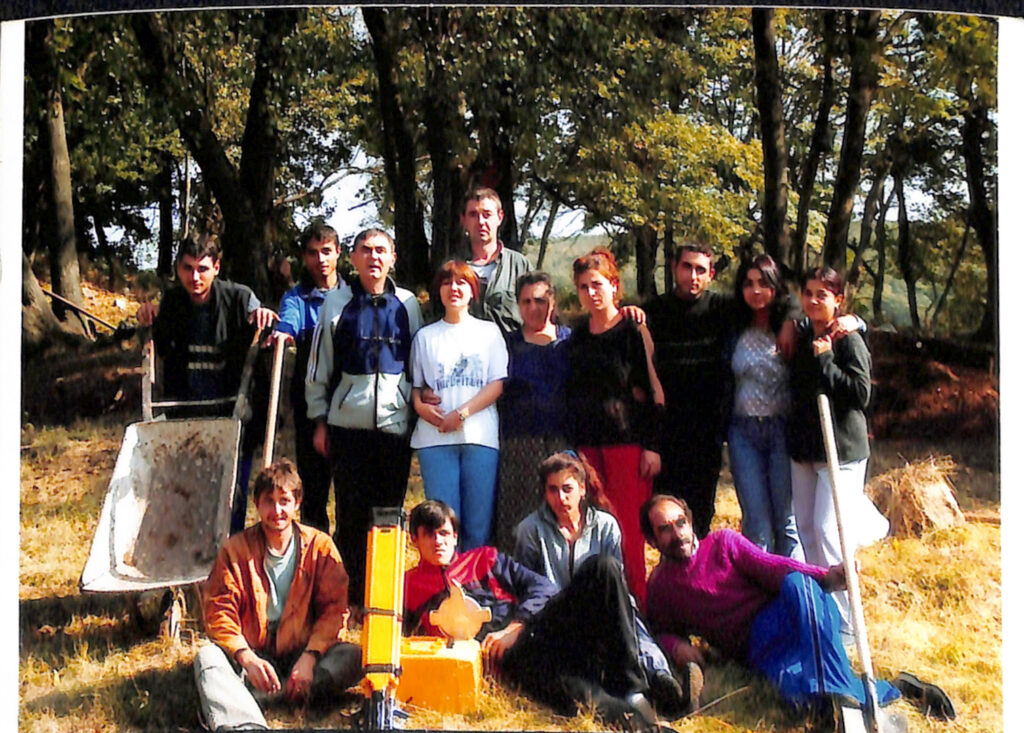
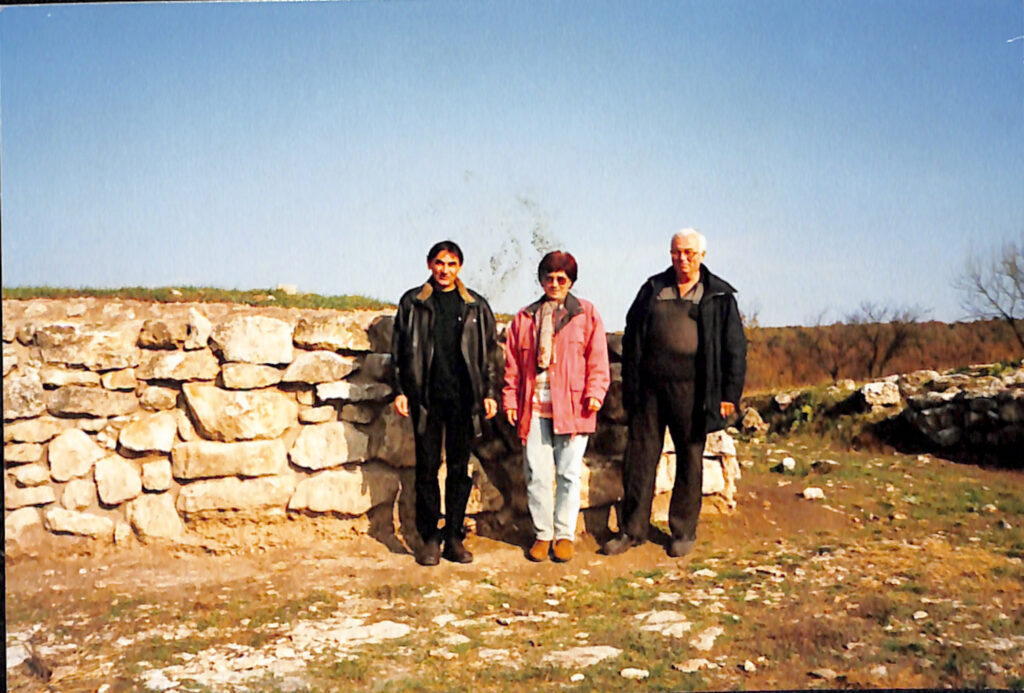
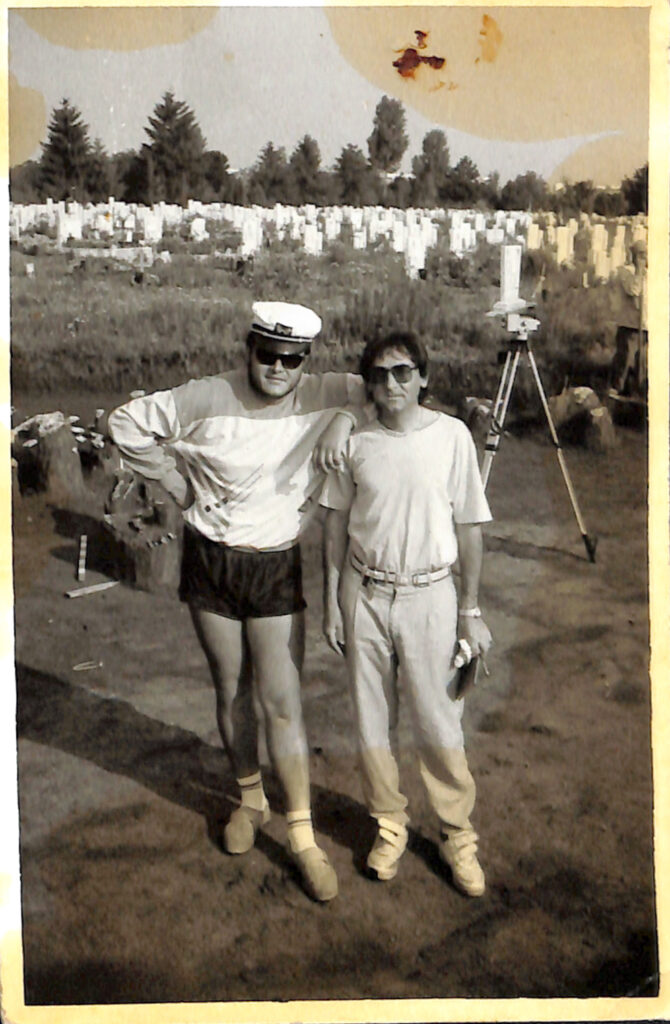
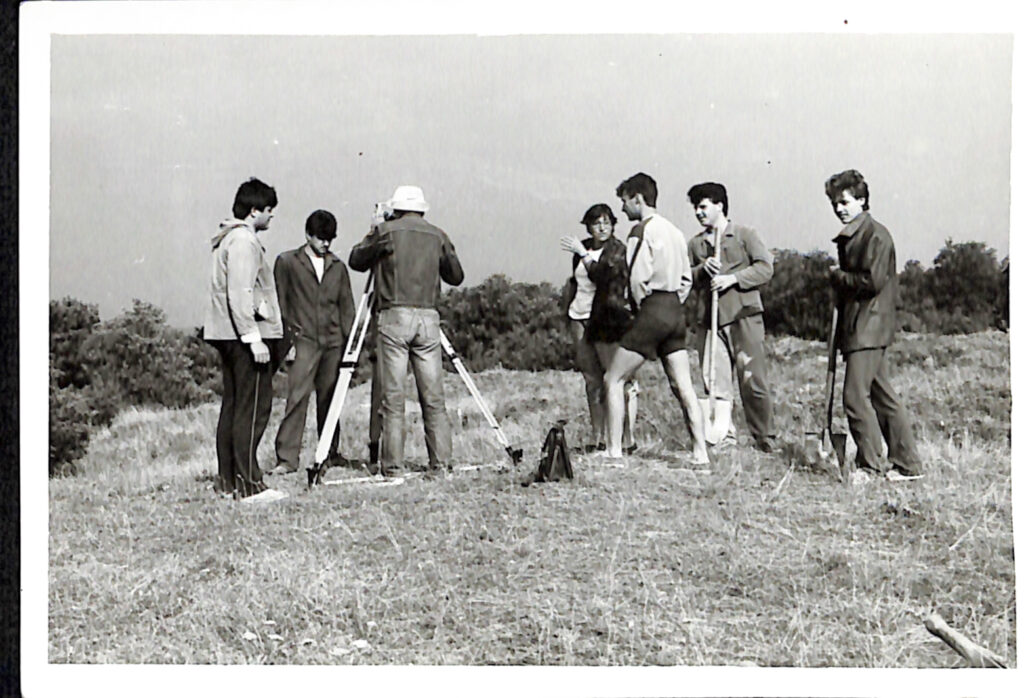
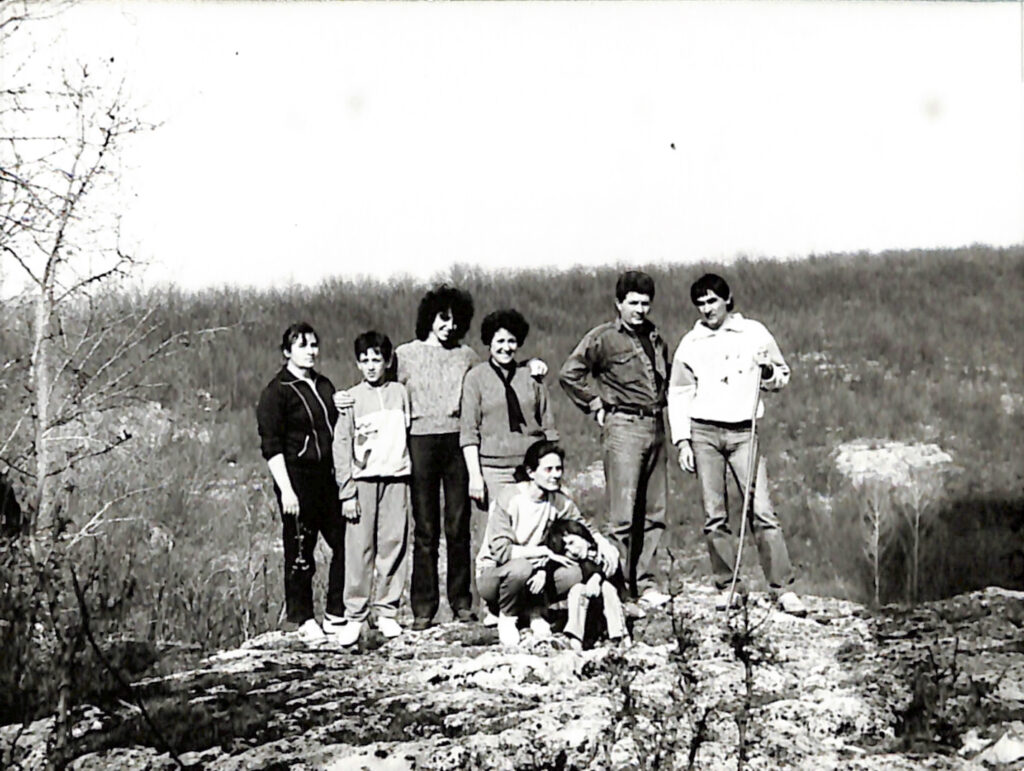
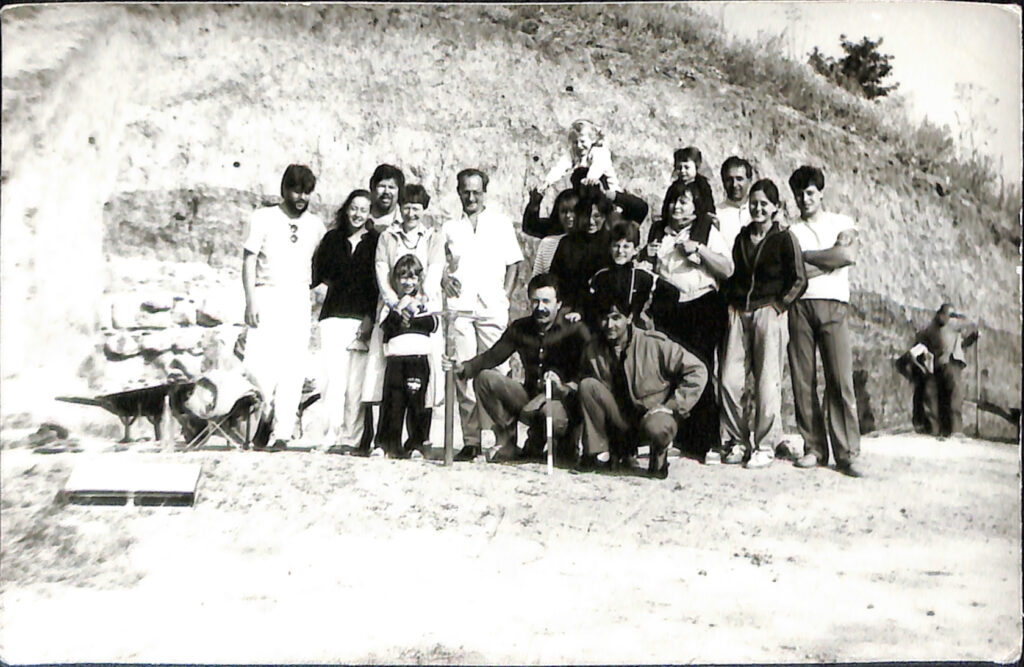
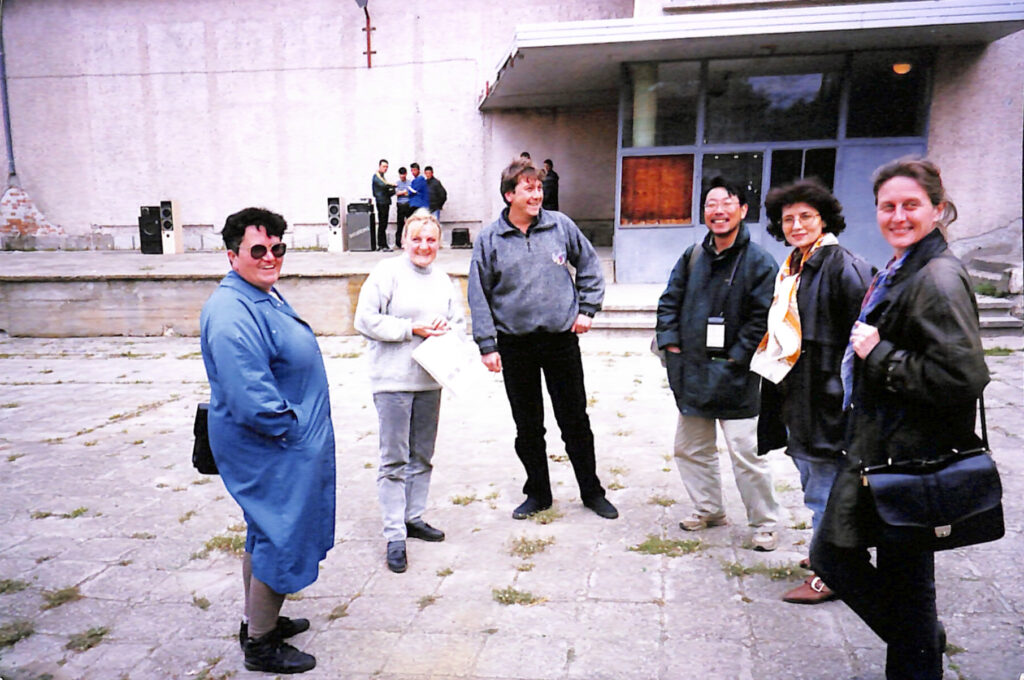
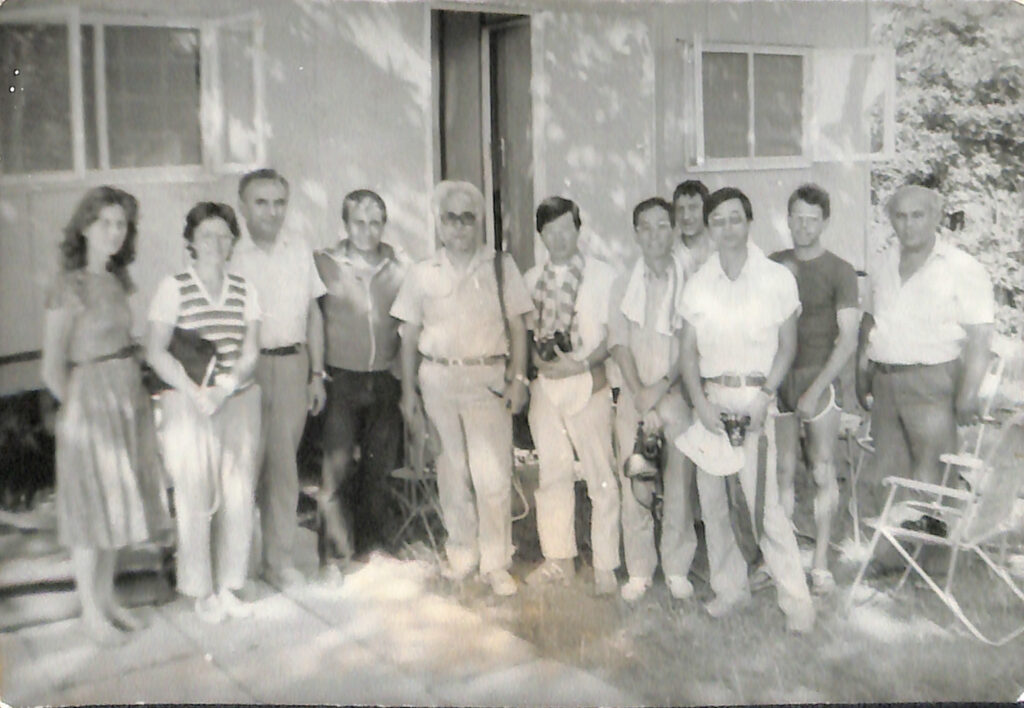
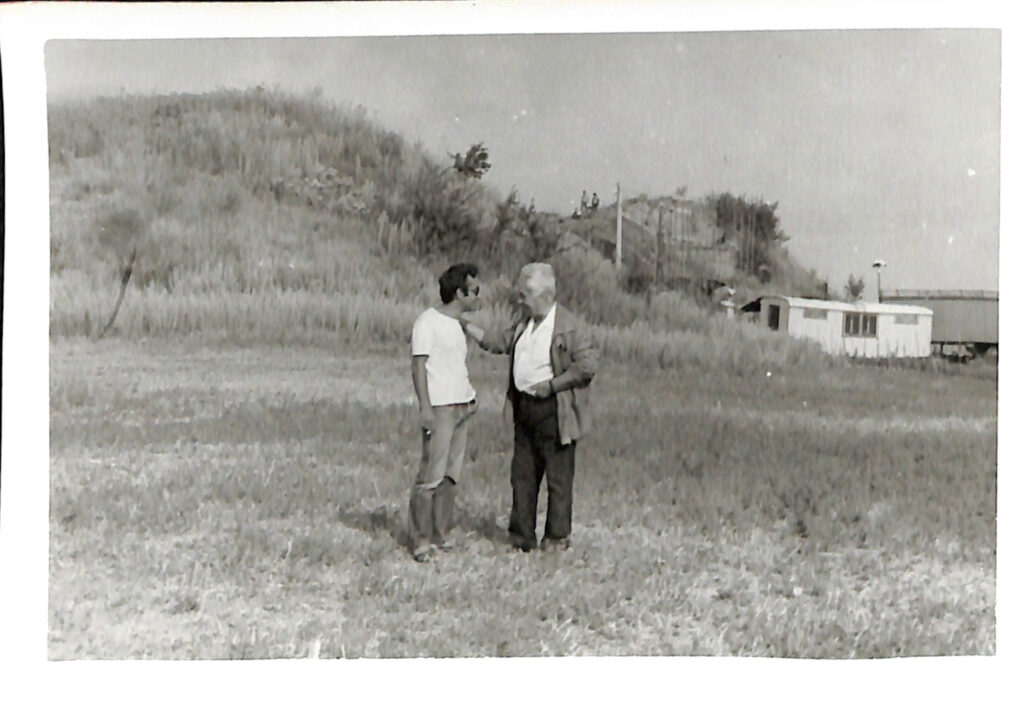
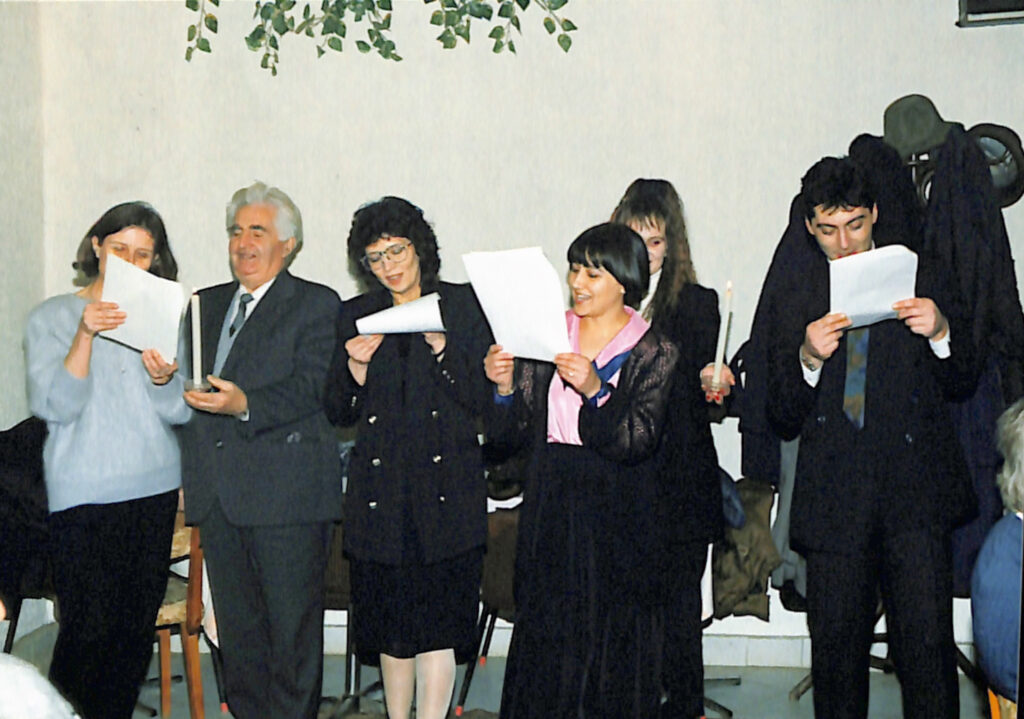
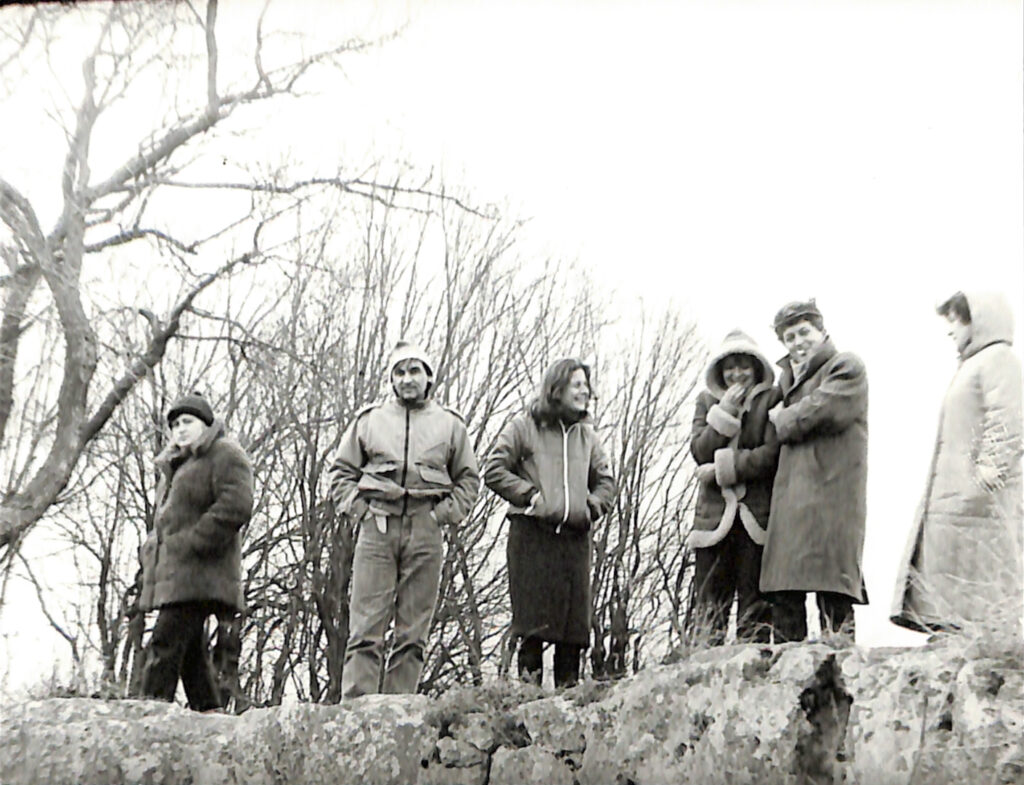
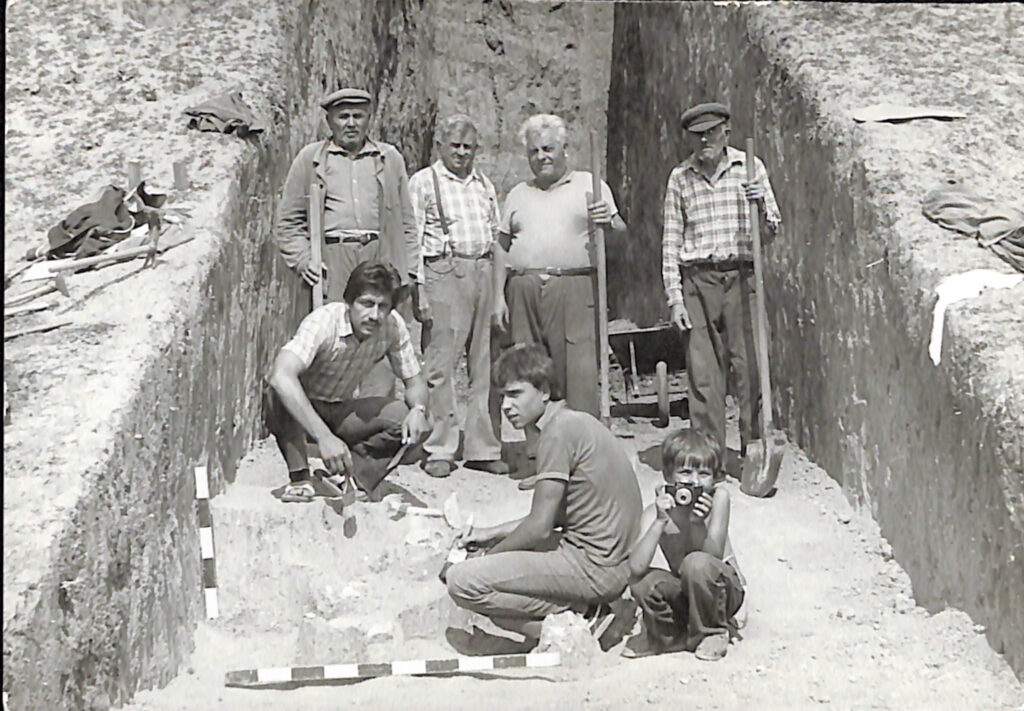
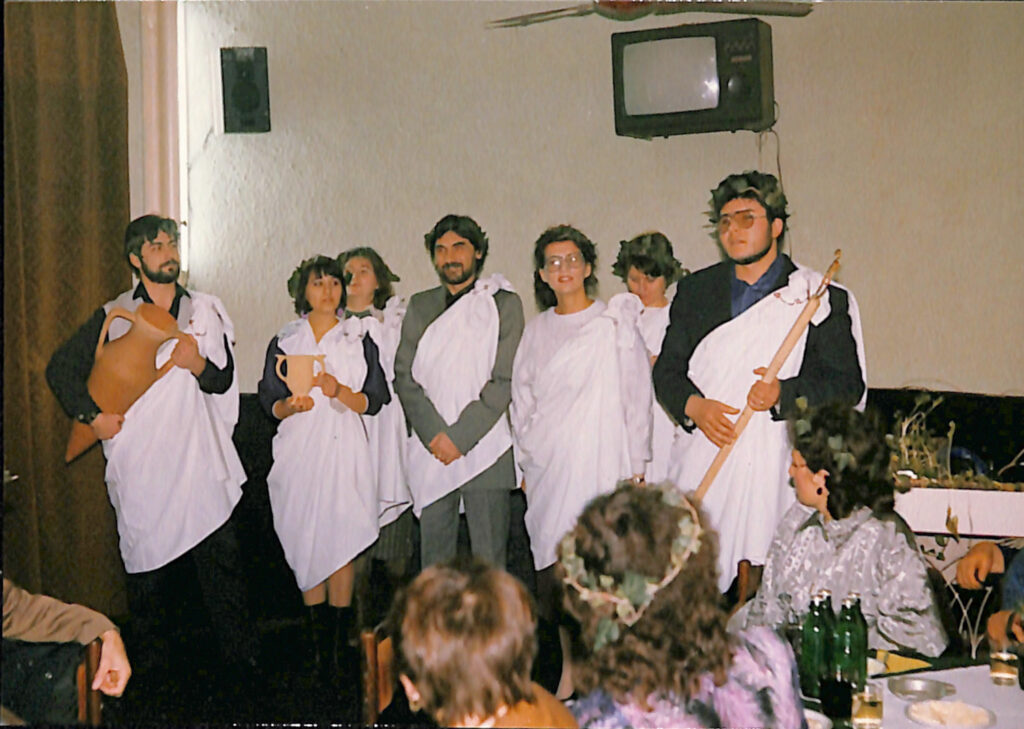
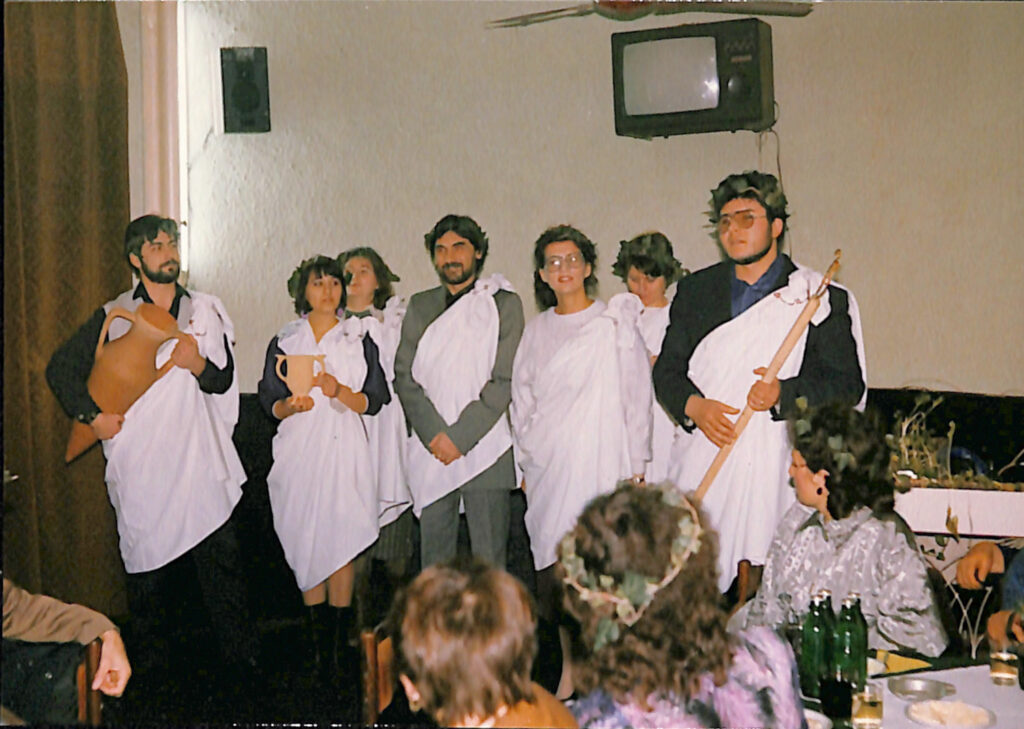
The people surveyed provided information about their participation in the archaeological research at the Sboryanovo reserve. Old photographs were collected as well. They have already been digitised, and the originals returned to their owners, except for those who wished to donate them to the History Museum – Isperih. They were also invited to take part in the Archaeology Festival “Sboryanovo – discover, know, narrate” (17 June 2023).
The materials collected carry the memory of the region’s cultural heritage from one generation of the local community to the next. The study showed that the local residents are closely connected with it. The activity “A Look into the Past” stirred and renewed the interest of today’s local residents in the cultural and historical sites in the Sboryanovo Archaeological Reserve, and that interest is echoed in their promotion both in the region and among the wider public.
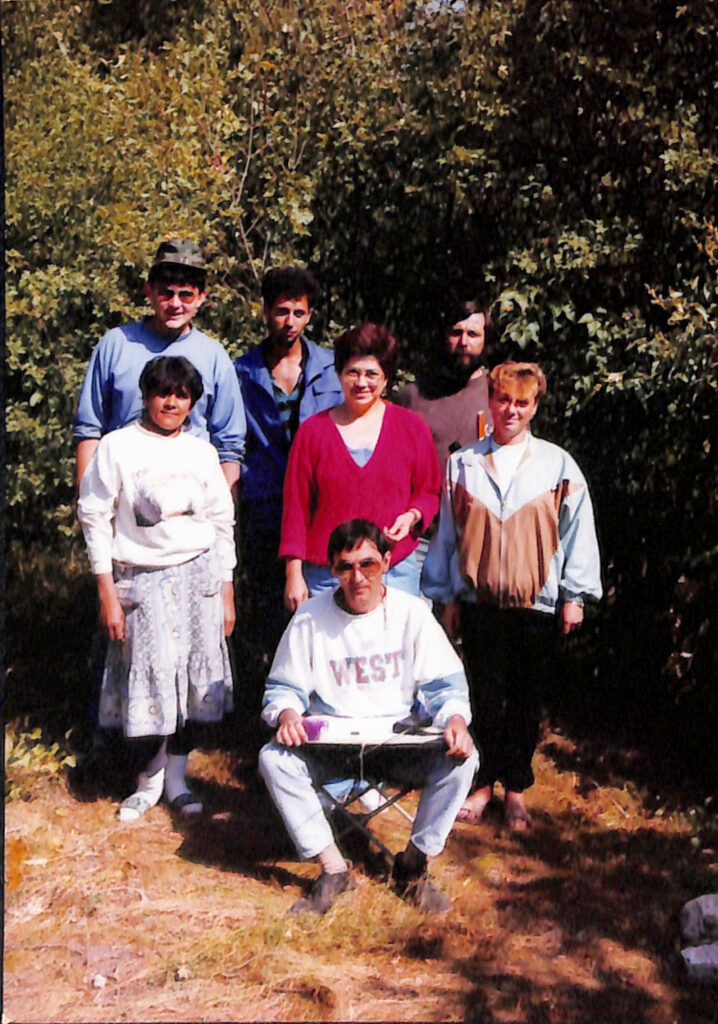
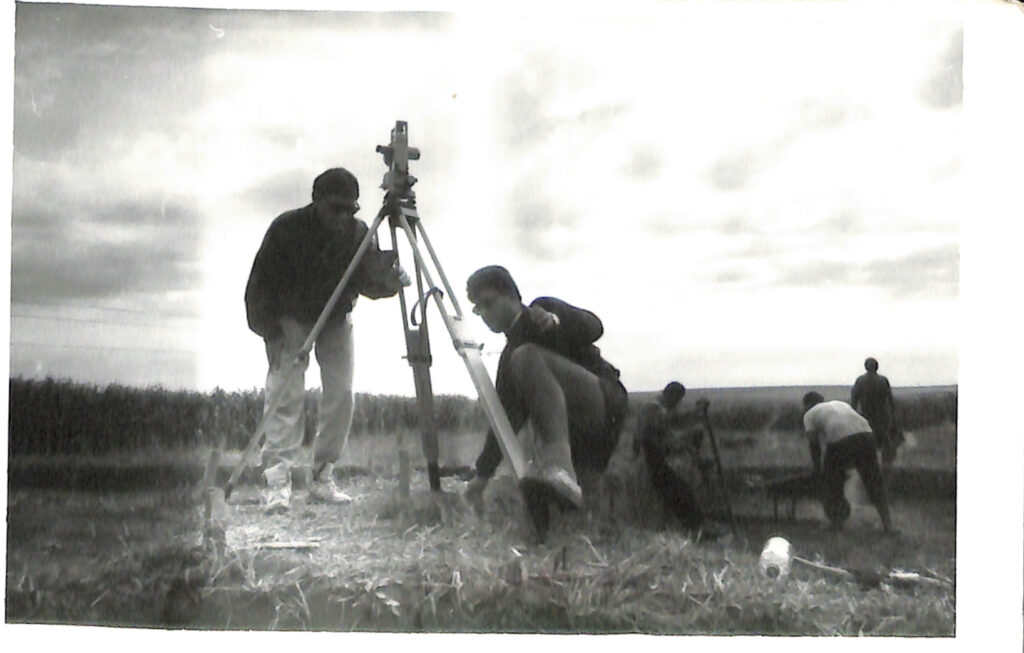
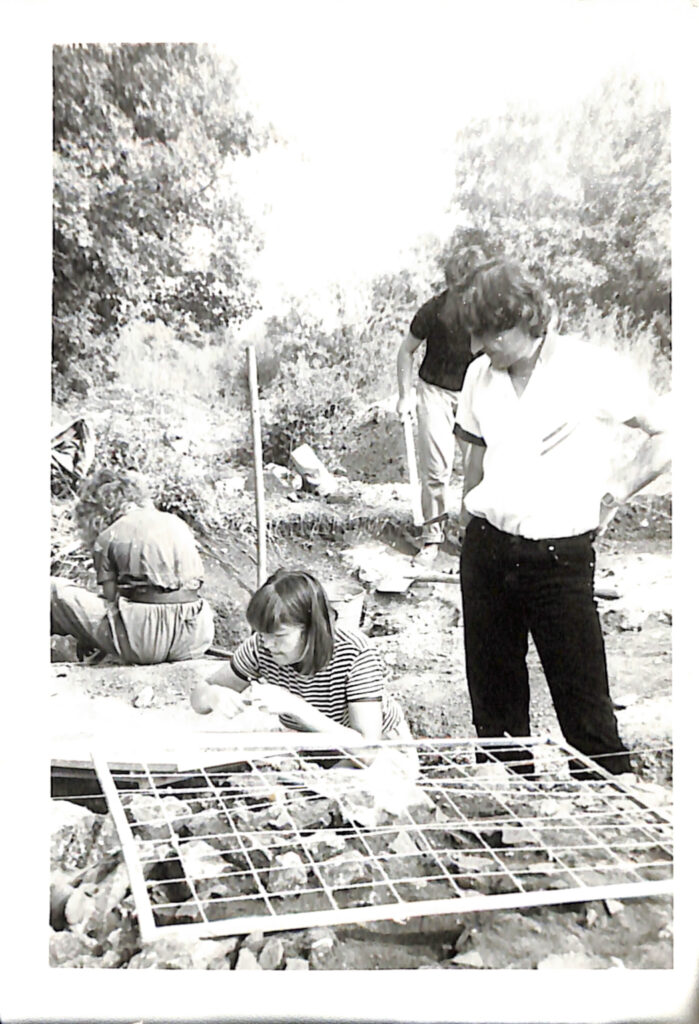
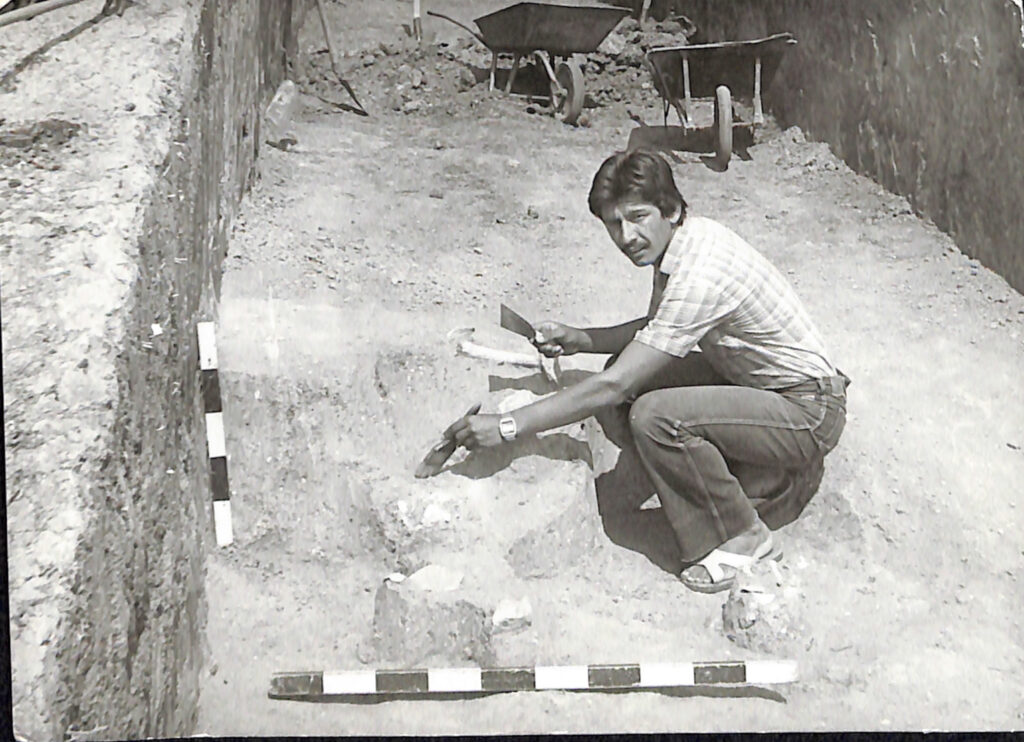
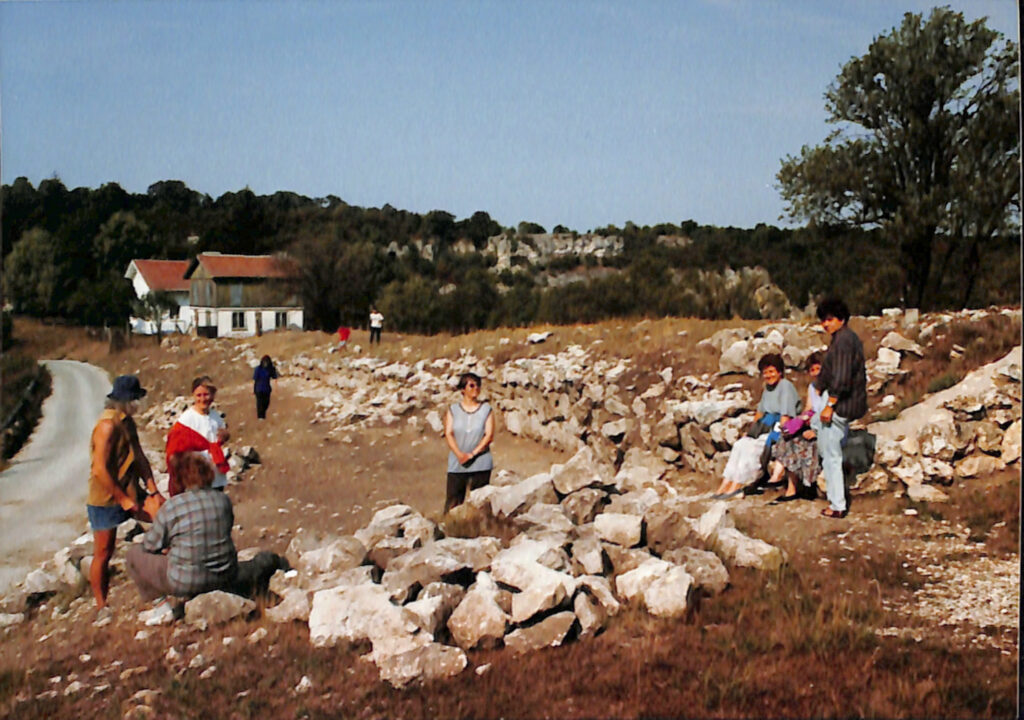
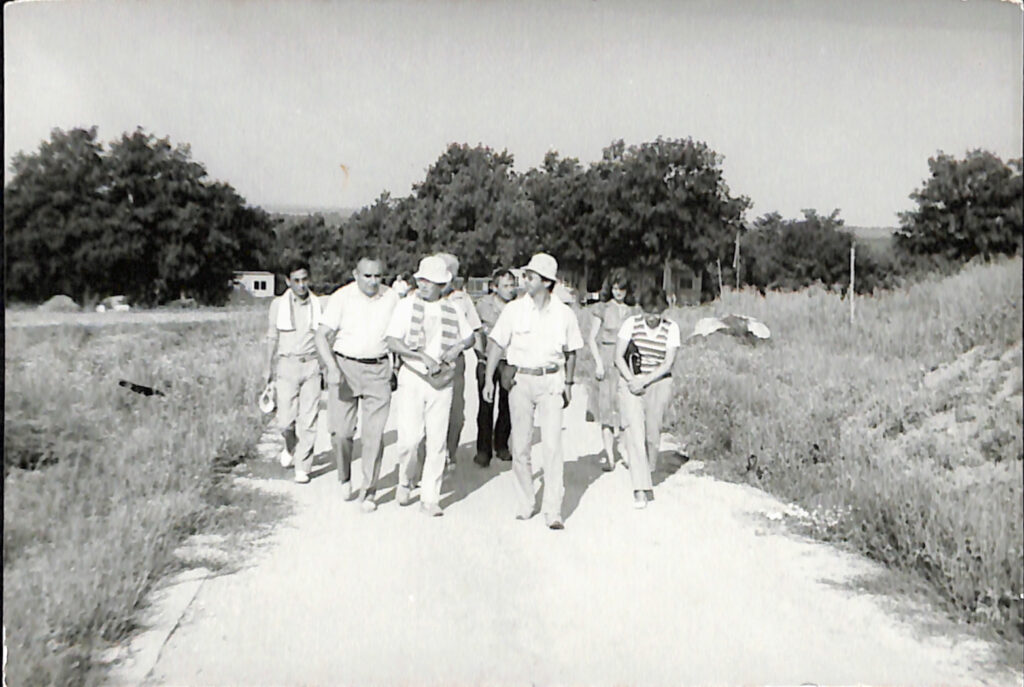
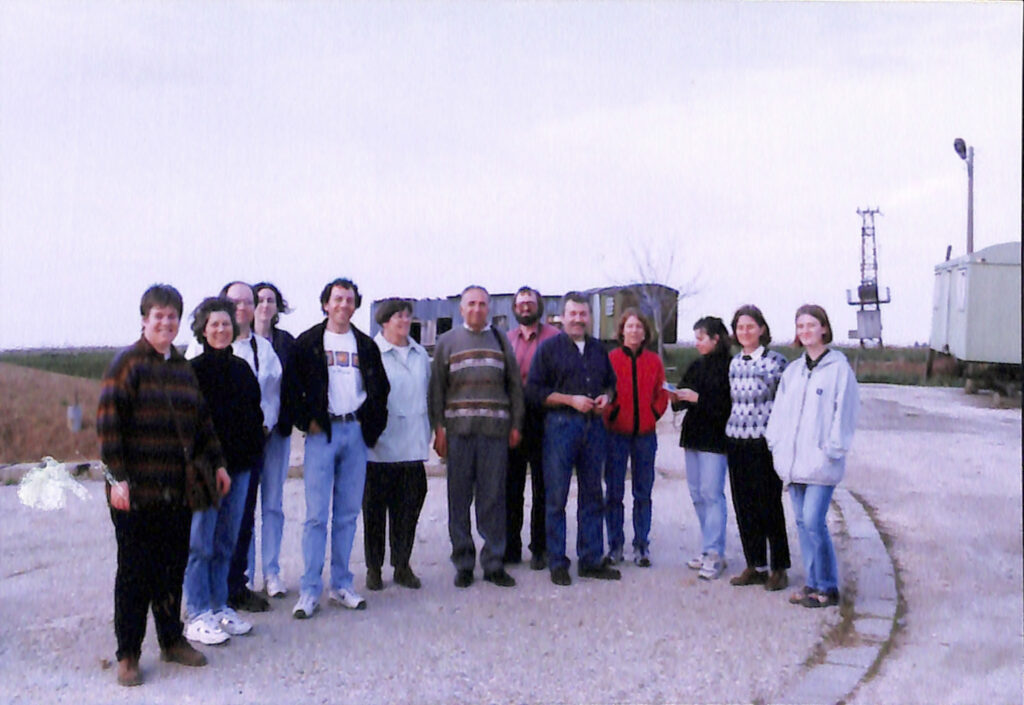
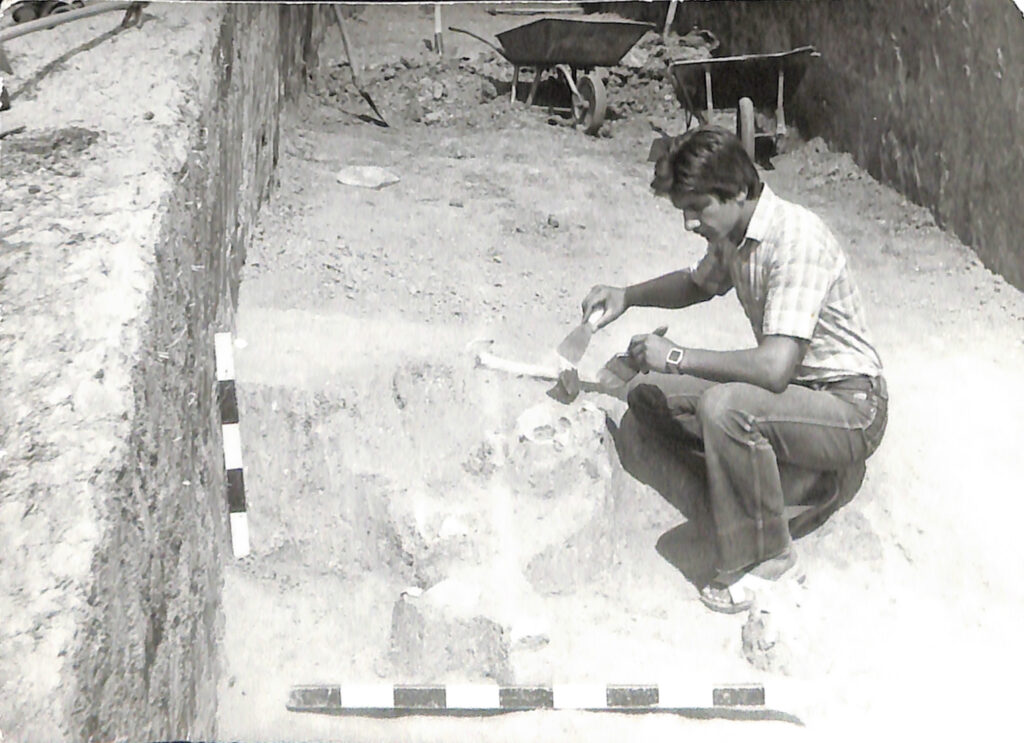
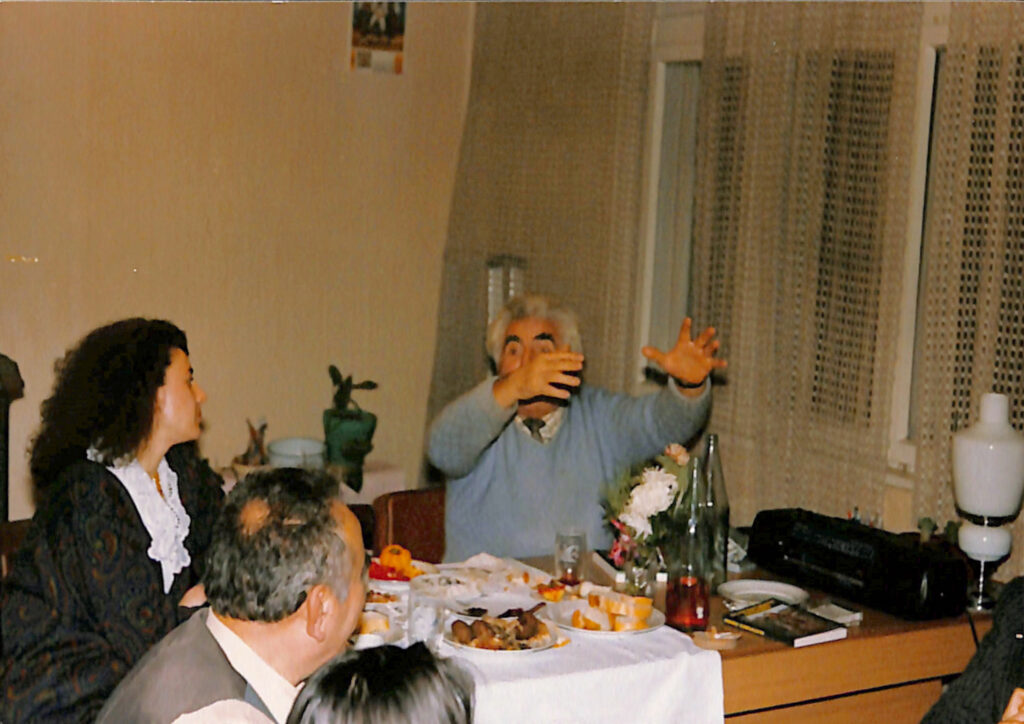
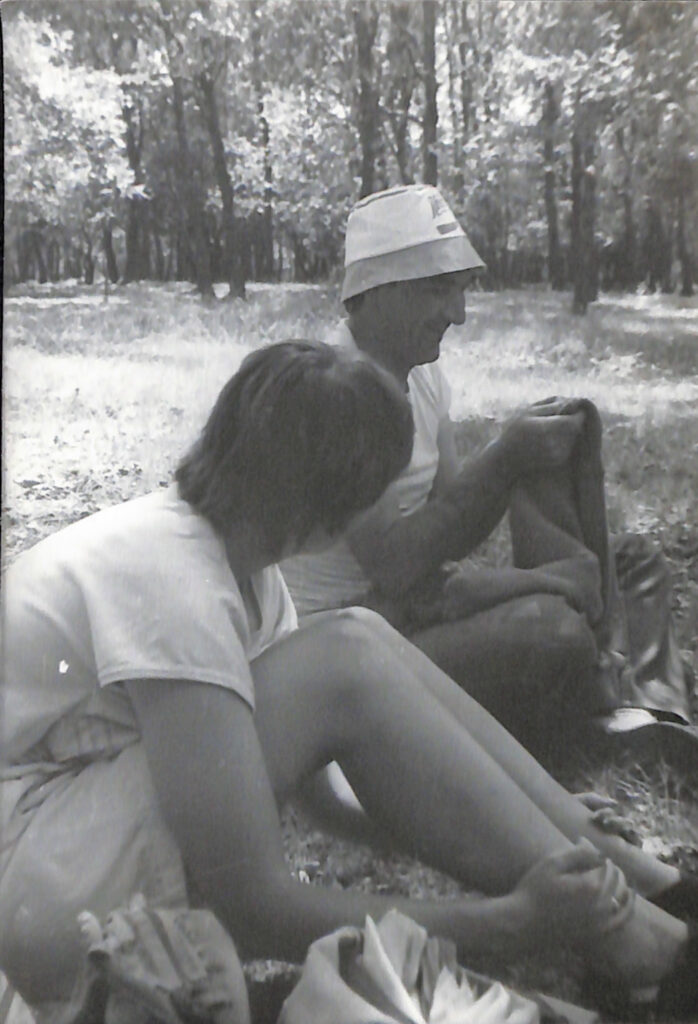
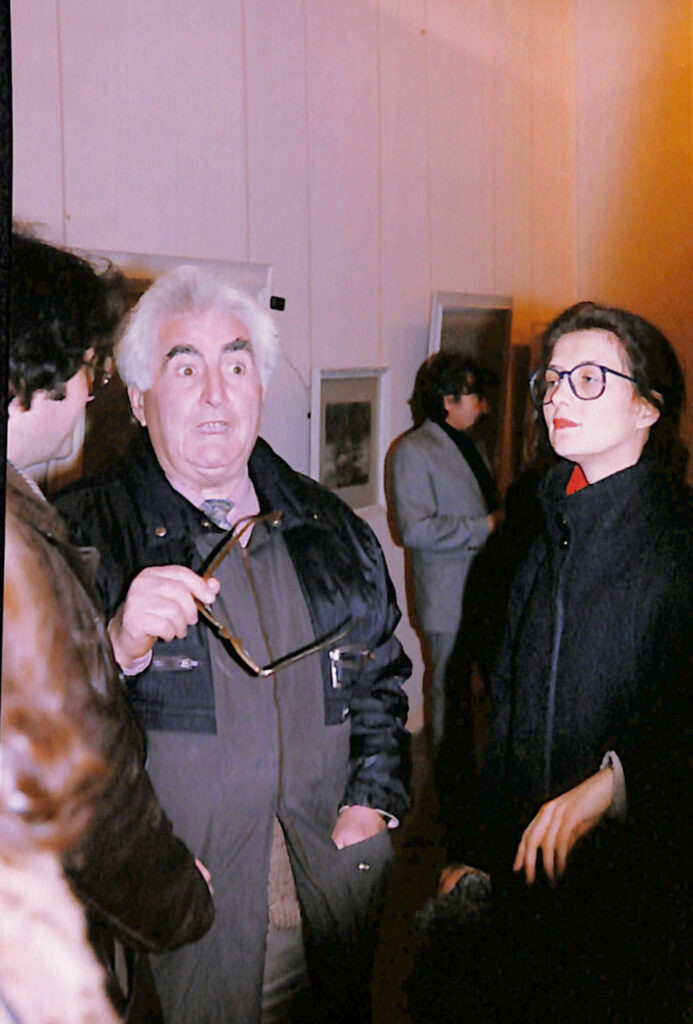
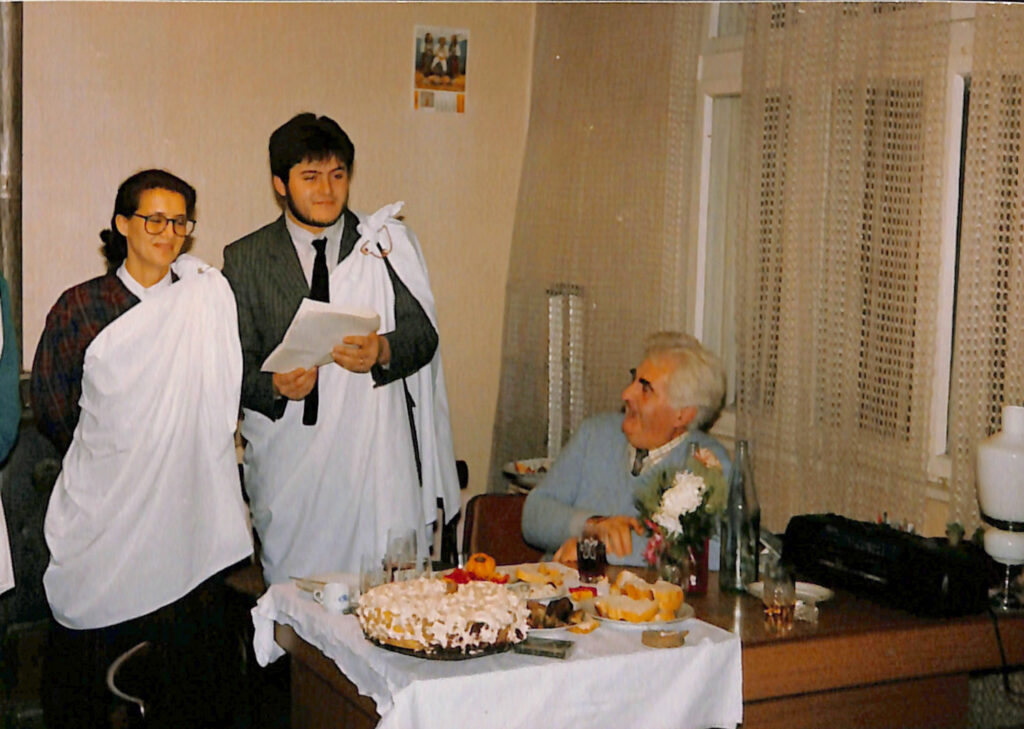
This article aims to present a summary of the data collected in the study “A Look into the Past” and to share some of the memories and impressions that people from the local community keep of the cultural heritage of the Sboryanovo Archaeological Reserve. Below the article on this page you can see a gallery of valuable and previously unpublished personal archival photographs collected during the research.
Responsible for carrying out the activity “A Look into the Past” were two experts – Zhivka Mihalyova, who conducted the study in the villages of Malak Porovets and Sveshtari, and Maria Krasteva, who conducted the study in the town of Isperih – together with the project coordinator, Teodora Vasileva. Information about the older people who took part in the studies was gathered both through individual conversations and during the information meetings organised under the project among the local population. Local historians from the area and museum specialists helped to identify participants in the archaeological research on the territory of the Sboryanovo Archaeological Reserve. Preparing the questionnaire, identifying possible interviewees, and holding the information meetings made up the first stage of the activity “A Look into the Past”.
During the second stage the two experts interviewed residents of the selected settlements and the interviews included filling in a questionnaire. Alongside the factual information, the accounts also recorded stories that show how personally the local residents are involved in the study of the traces of Bulgaria’s cultural heritage around them.
A total of 36 people were surveyed: 18 from the town of Isperih, 10 from the village of Sveshtari, 6 from the village of Malak Porovets, and one participant who now lives in Sofia but is closely connected with the cultural heritage of the region. Among the local people interviewed, a large number had worked as labourers on the archaeological excavations, while others had worked as drivers and guards, and they too witnessed many interesting discoveries made during the research. A considerable number were archaeologists and former staff of the History Museum – Isperih, including guides and even a former director of the museum, who had worked for many years in the field of cultural and historical heritage.
Those interviewed who had spent a shorter time with the research on the territory of the reserve recall moments that left a vivid mark. Among them are memories of some of the directors of the archaeological sites, and moments when something significant was found, or something that stirred strong feelings, such as the discovery of the burial of a pregnant woman. Those who worked for a long time with the cultural heritage of the region also tell of striking discoveries, such as the Thracian royal tomb under Ginina Mogila in 1982, or the gold treasure in the embankment of Omurtagova Mogila in 2012. The brothers Nedzhet and Yudzhel from the village of Sveshtari, who are stonemasons and worked on the reconstruction and restoration of parts of the wall and the tower at the Petrova Niva site, also share many vivid memories.
Many of the people in the study have given long years of their lives to the research, promotion and protection of the cultural heritage of Bulgaria and the region, among them the long-serving director of the History Museum – Isperih, Boryana Mateva, the surveyor Pencho Penchev, the archaeologists Darina Valcheva and Rumen Radev, and museum staff and researchers such as Katerina Borisova, Radka Stoyanova and others. People from the families of such figures were interviewed as well, including Tsanka Doynova, who recounts memories of Kolyo Doynov, and Yordanka Stefanova, wife of Yordan Stefanov, a former director of the museum in Isperih and a local historian who also devoted a large part of his life to the cultural and historical heritage of the region. The memories of that period are something very personal to them. The archaeologist Rumen Radev, for example, says: “In my view, the first ten years after the discovery of the Sveshtari tomb under Ginina Mogila, years of intensive interdisciplinary research, the results of that research, and the efforts made to make them known, first of all changed in a tangible way the thinking of the entire local population, and not only within Isperih Municipality. That, in turn, contributed to changes in the settlements themselves, connected with the future development of the region towards cultural tourism and the creation of new jobs and livelihoods. In those years ‘Sboryanovo’ was a model, and ahead of everyone else in the whole country.”
The personal impressions of the people who took part in the study show that the cultural, historical and archaeological heritage of the Sboryanovo region has had a significant influence on their lives. These people, their families and the memories they share are extremely important for preserving cultural identity and for keeping the historical memory of the local population alive. Recording, preserving and sharing these memories are also among the aims of the project.
Photographs from the people surveyed